Media Trust, Misinformation, and Audience Fatigue in the United States
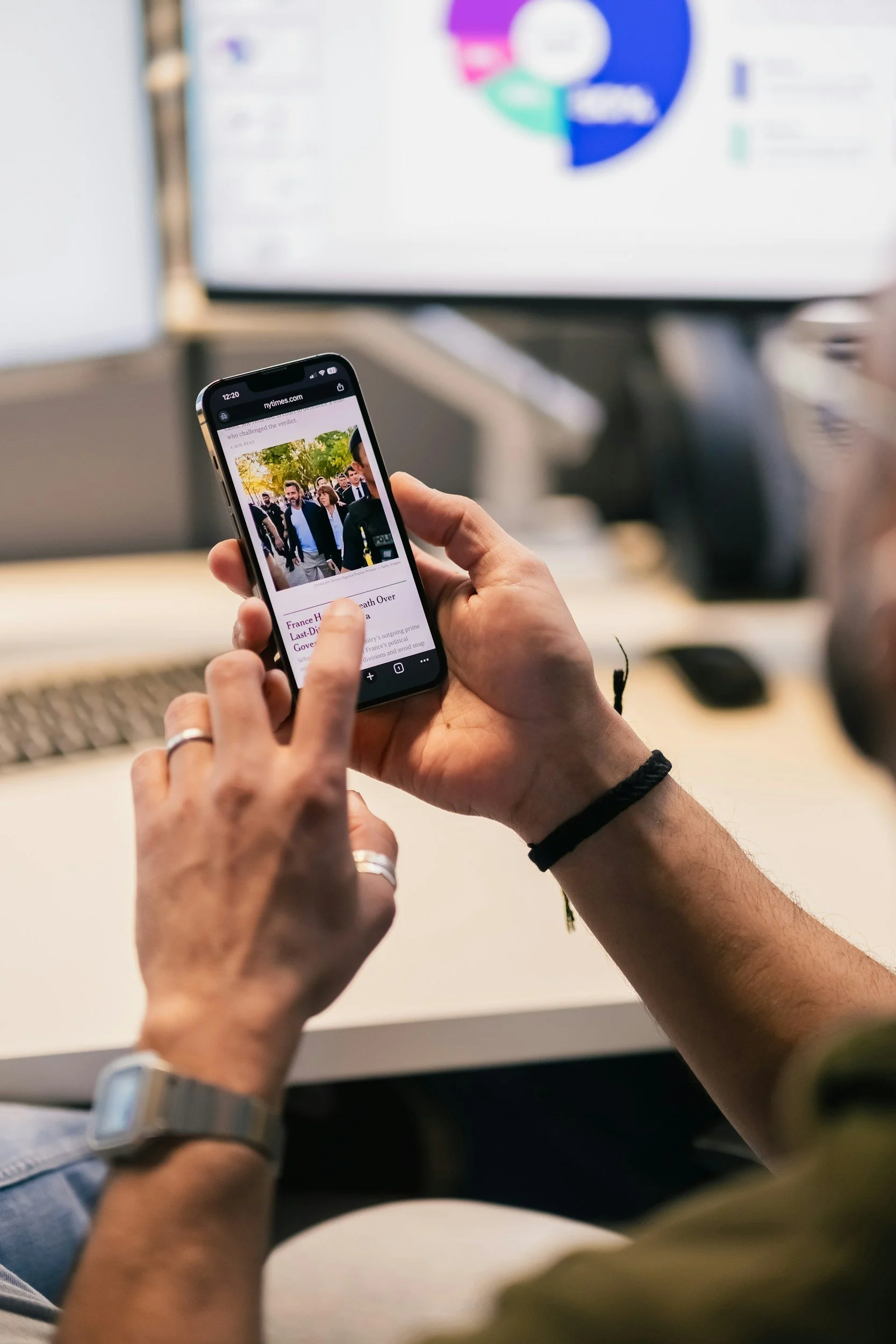
Media consumption in the United States in 2026 is shaped less by access to information than by exhaustion from it. Americans are surrounded by news, alerts, commentary, and analysis at all hours, yet trust in media institutions remains fragile. For foreign correspondents, understanding this paradox is essential to explaining how information circulates, why certain narratives resonate, and why others fail to gain traction.
Audience fatigue is a defining feature of the current media environment. Many Americans are not disengaged because they are indifferent, but because they feel overwhelmed. Constant breaking news, competing interpretations, and emotionally charged coverage have led large segments of the public to limit their exposure intentionally. This selective consumption affects which stories spread, how long they remain visible, and how seriously they are taken.
Trust in media is no longer primarily institutional. Rather than trusting “the press” as a category, many Americans place confidence in specific journalists, local outlets, or familiar voices. Personal credibility often matters more than brand reputation. This shift has significant implications for foreign correspondents, whose work may be judged through the lens of unfamiliarity rather than content.
Algorithms play a powerful but uneven role in shaping what audiences see. News visibility is increasingly mediated by social platforms, search engines, and recommendation systems that prioritize engagement over completeness. Stories that provoke emotion or confirm existing beliefs tend to travel farther than those that emphasize nuance or uncertainty. Foreign correspondents should be aware that distribution dynamics may distort the perceived importance of certain issues.
Misinformation does not spread solely because of falsehoods, but because of confusion, repetition, and context collapse. In many cases, misleading narratives coexist with accurate reporting, creating parallel interpretations of the same events. This environment complicates correction efforts. Fact-checks often reach smaller audiences than the original claims and may be perceived as partisan regardless of intent.
Another important factor is the blurring of lines between journalism, commentary, and advocacy. Many consumers struggle to distinguish reporting from opinion, particularly on digital platforms where formats are similar. For foreign correspondents, clarity of purpose and sourcing becomes even more critical. Transparent attribution, careful language, and restraint help maintain credibility in a crowded information space.
Local news plays a paradoxical role. While national media often dominates international perception, trust tends to be higher at the local level. Community-based outlets, even with limited resources, often retain closer relationships with audiences. Their decline due to financial pressures has created information gaps that national or digital platforms do not easily fill. These gaps can amplify misinformation and reduce civic awareness.
Subscription fatigue is another emerging issue. As more outlets move behind paywalls, audiences are forced to choose which sources to support. This economic reality shapes exposure patterns and reinforces echo chambers. Foreign correspondents should understand that many Americans do not see the same news, not because of censorship, but because of cost and access decisions.
The pace of news production also affects trust. Speed is rewarded, but errors travel quickly and linger. Corrections, even when issued promptly, may not reach the same audience as the original report. This dynamic encourages skepticism and reinforces the perception that information is provisional or unreliable.
For international audiences, it is important to understand that skepticism toward media does not necessarily translate into rejection of facts. Many Americans still care deeply about accuracy but are uncertain about whom to trust. This uncertainty shapes political behavior, social relationships, and responses to crises.
Foreign correspondents covering the United States can add value by explaining these dynamics rather than amplifying them. Reporting that contextualizes misinformation without repeating it, and that explains audience behavior without dismissing it, helps international readers make sense of an often confusing media landscape.
Another overlooked element is the emotional toll of news consumption. Coverage of crises, conflict, and instability can lead to disengagement as a form of self-protection. This has implications for public awareness and long-term civic participation. Journalists who acknowledge this fatigue without exploiting it contribute to a healthier information environment.
In this context, trust is built slowly and lost quickly. Consistency, transparency, and proportionality matter more than visibility. Foreign correspondents, often perceived as observers rather than participants in domestic debates, may be well positioned to provide measured perspectives that resonate with audiences seeking clarity.
Media trust in the United States is not absent, but conditional. It depends on perceived fairness, accuracy, and relevance. Understanding this conditional trust allows foreign correspondents to navigate the media ecosystem more effectively and to explain American news consumption patterns without resorting to stereotypes.
Ultimately, covering media trust and misinformation is not about diagnosing failure, but about recognizing adaptation. Audiences are adjusting to an environment of abundance and uncertainty. Journalism, in turn, must adapt to meet them where they are.
For foreign correspondents, this means reporting not only on events, but on how information about those events is produced, distributed, and received. Doing so provides international audiences with a clearer picture of the United States as it is experienced by those who live there.