Layoffs at The Washington Post and What They Signal for International Correspondents in the United States
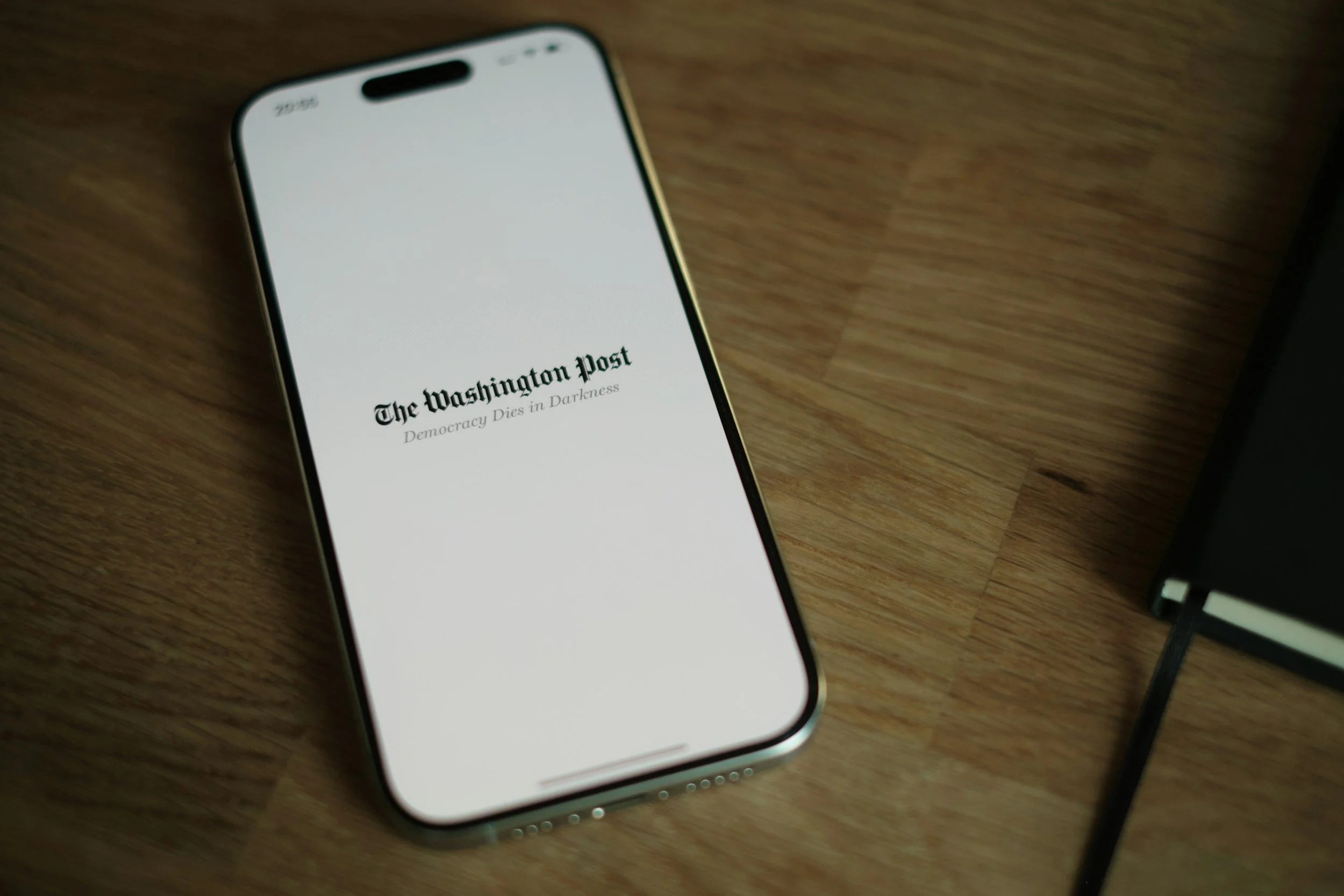
The recent rounds of layoffs at the Washington Post have sent shockwaves through the journalism community in the United States and beyond. For international correspondents working in or covering the U.S. media ecosystem, these job cuts are not just a domestic newsroom story. They are a clear signal of deeper structural changes reshaping American journalism, with direct implications for how foreign reporters operate, collaborate, and sustain their careers in the country.
The Washington Post has long been considered one of the most influential newspapers in the world. Its coverage of U.S. politics, foreign policy, and global affairs is followed closely by governments, diplomats, and media outlets internationally. When an institution of this stature reduces staff, it raises urgent questions: Why is this happening now, what does it say about the business of journalism in the U.S., and how should international correspondents respond?
The layoffs at the Post are not the result of a single bad quarter or a temporary dip in subscriptions. They reflect a broader reckoning across U.S. legacy media. Advertising revenues, once the financial backbone of newspapers, have continued to decline. Digital subscriptions, while significant, have plateaued across much of the industry. Even outlets that successfully transitioned to digital-first strategies during the Trump years are now confronting audience fatigue, rising production costs, and a highly competitive attention economy dominated by platforms rather than publishers.
Ownership and expectations also matter. Since its acquisition by Jeff Bezos in 2013, the Washington Post invested heavily in technology, newsroom expansion, and global reach. That period of growth created an assumption that scale and innovation would eventually offset losses. The recent layoffs suggest a recalibration of those expectations. Even with deep-pocketed ownership, journalism is no longer insulated from market realities.
For foreign correspondents, this moment is particularly instructive. Many international reporters rely on U.S. legacy outlets as partners, sources, validators, or even future employers. The contraction of these newsrooms means fewer collaboration opportunities, more competition for limited editorial attention, and a higher bar for pitching stories that resonate with U.S.-based editors under pressure to deliver measurable audience value.
Another important dimension is editorial prioritization. Layoffs rarely happen evenly across desks. Beats perceived as less essential, less profitable, or less immediately engaging to domestic audiences are often the first to be cut or merged. International coverage, foreign bureaus, and long-form investigative reporting are frequently vulnerable. For international correspondents, this underscores the importance of clearly articulating why global stories matter to U.S. audiences and how they connect to American interests, policy debates, or economic realities.
The Washington Post layoffs also highlight a shift in what skills are valued inside U.S. newsrooms. Data journalism, audience analytics, visual storytelling, newsletters, and platform-specific content are increasingly prioritized. Traditional reporting excellence remains essential, but it is no longer sufficient on its own. Correspondents who understand how stories travel across platforms, how headlines perform, and how audience engagement is measured are more likely to find receptive editors and lasting relevance.
There is also a psychological and cultural impact worth noting. The Washington Post has historically been a symbol of journalistic stability and prestige. Layoffs at such an institution contribute to a sense of precarity across the profession. For foreign correspondents, who often operate without the protections of U.S. labor networks or long-term contracts, this reinforces the need for resilience, diversification, and realistic expectations about newsroom loyalty and permanence.
At the same time, it would be a mistake to read these layoffs as the end of serious journalism in the United States. Rather, they mark a painful transition. The demand for credible, independent reporting on U.S. politics, foreign policy, and society remains strong internationally. What is changing is how that reporting is funded, distributed, and valued. International correspondents who can adapt to these changes are likely to find new opportunities, even as traditional pathways narrow.
One practical lesson is the importance of building direct relationships with audiences and institutions, not just editors. Newsletters, podcasts, public speaking, academic partnerships, and collaborations with think tanks or nonprofits can complement traditional reporting. These channels do not replace journalism, but they can provide stability, visibility, and leverage in an unstable media market.
Another lesson is the growing importance of organizations that support foreign correspondents structurally and professionally. As U.S. newsrooms downsize, associations, press clubs, and educational programs play a larger role in providing access, training, and community. They become places where international journalists can exchange intelligence, understand industry shifts, and collectively advocate for the value of global reporting.
The layoffs at the Washington Post also raise ethical and professional questions. Fewer journalists covering more ground increases the risk of errors, superficial coverage, and overreliance on official narratives. For international correspondents, this can create both challenges and responsibilities. There may be fewer U.S. reporters on certain beats, but the need for informed, independent international perspectives has not diminished. In fact, it has grown.
Foreign correspondents should also pay attention to how U.S. media layoffs affect sources. Government agencies, think tanks, and advocacy groups are increasingly aware of shrinking newsrooms and may attempt to fill the gap with self-serving narratives. Navigating this environment requires heightened skepticism, stronger verification practices, and a clear understanding of who benefits from reduced journalistic scrutiny.
Importantly, the Washington Post layoffs are part of a larger pattern that includes other major U.S. outlets. This suggests that the challenges are systemic, not managerial or ideological. International correspondents should resist simplistic explanations that blame individual leaders or political positions. The reality is more complex and rooted in technological disruption, economic shifts, and changing audience behavior.
Looking ahead, foreign correspondents working in the U.S. should think strategically about their positioning. Specialization, credibility, and contextual expertise are more valuable than ever. Generalists are easier to replace; correspondents who offer deep knowledge of regions, institutions, or policy areas are harder to ignore. This is particularly true when U.S. newsrooms no longer have the capacity to maintain extensive foreign desks.
Finally, there is a broader lesson about identity and purpose. The layoffs at the Washington Post remind all journalists that prestige is not protection. What endures is not the brand alone, but the trust built with audiences and the relevance of the work produced. For international correspondents, this is both a warning and an opportunity. The environment is tougher, but the need for informed global reporting on the United States has rarely been greater.
In that sense, the Washington Post layoffs should not be seen only as a story about loss. They are also a signal to reassess assumptions, update skills, and reaffirm why international journalism matters. For foreign correspondents who are willing to adapt without compromising their core values, this period of disruption may ultimately lead to a more sustainable and self-aware professional future.