
How to Describe a Food Your Readers Have Never Tasted
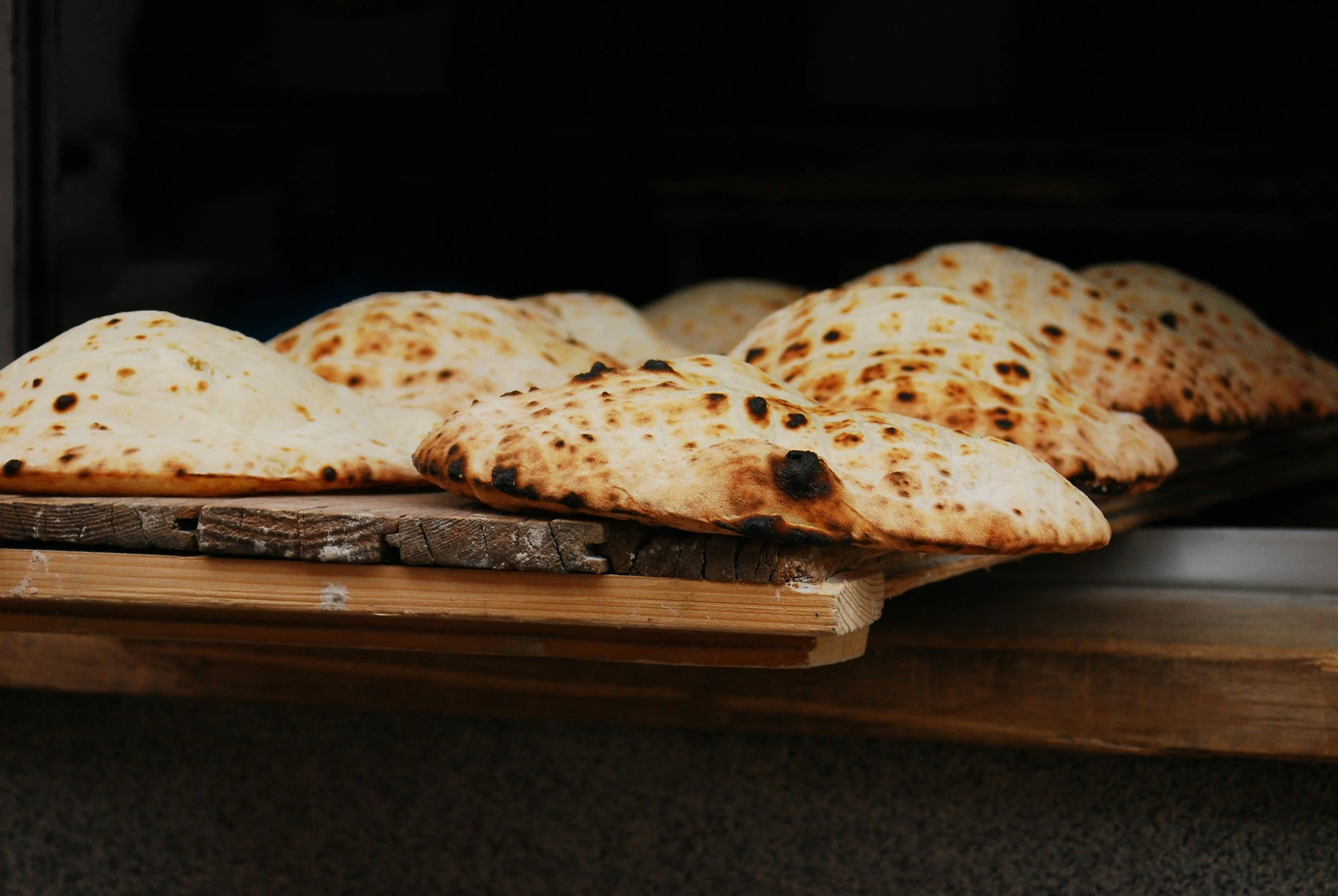
Imagine arriving at a bakery as someone lifts a cloth and peels a sheet of bread from the stack beneath it. The sheet bends over the baker's wrist. A customer buys several, folds them and slips them into a bag. In a few seconds the reporter has learned something a menu photograph could barely convey about the bread's size, its flexibility and the way people carry it home.
A reader abroad can follow that movement before learning a single new word. The correspondent's next job is to find the right word, name the people who use it and discover what the movement meant. Perhaps the cloth was keeping the bread pliable. Perhaps the baker covered the stack simply because a customer had stepped away. Watching closely produces a better question. The baker supplies the reason.
Start a fresh page at the first bite
Leave room in the notebook for appearance, smell, taste and texture. These headings encourage a second look at details that disappear inside a word like “delicious.” Record when the sample reached you. Bread tasted at the oven door and bread carried across town in a paper sack may deserve different descriptions, even when the two pieces came from the same batch.
Use ordinary verbs. Did the surface crack when you folded a corner? Did the layers pull apart or did the whole piece stretch? For a bowl of soup, the equivalent detail might be what clings to the spoon when you lift it. One well-observed movement is worth more to a reader than several adjectives that could apply to almost any dish.
Keep the senses distinct long enough to find the telling detail. A browned crust can suggest a toasted aroma before you have actually smelled it. Write down what you perceived and let a question mark stand beside any explanation. If a colleague reaches for a different adjective, ask each person to show where in the same bite they noticed it. You may have sampled the rim and the center.
Find out what went into this batch
A taste that reminds you of lemon gives you a question for the cook. Ask what makes the filling sharp, and allow time for an answer before naming the ingredient you suspect. Ask which ingredients went in at the start and which were added at the end. An herb sprinkled over the plate at the counter might be the only one the diner can see.
When possible, watch the next batch and ask the cook to name an unfamiliar ingredient while it is still in their hand. With permission, copy the spelling from its container. If the container once held something else, its label is a poor witness. Ask who bought or prepared the ingredient and whether the cook can introduce you to that person if the detail matters.
Follow the components separately. If a stall buys its dough and makes its own filling, its owner may know exactly what went into the filling and know the dough only by a supplier's name. Attribute each answer to the person who can give it. If the dough recipe stays private, describe how the sheet behaves in the pan and move on.
Get the words cooks use with one another
Ask the cook to write the name as it appears on a shopping list or order slip. Then ask how a customer would order the same food at the counter. The two answers may supply a formal spelling and an everyday abbreviation. Confirm which can be printed, the speaker's preferred attribution and, if an interpreter helped, the meaning of any word that carries the description.
A short demonstration can rescue a translation. Suppose a baker's word comes back from an interpreter as “ready.” Ask the baker to show what they check just before lifting the bread. The clue might be a change in color or the way an edge lifts. With permission, ask the interpreter to go over the original phrase again. Quote the baker only where the translation can sustain it.
Give cultural context a source and a place
An existing account can point a reporter toward a better scene. UNESCO's 2014 entry on lavash describes a practice in Armenia in which bakers drape dough across a cushion and press it onto the inside of a clay oven. That detail suggests questions about tools, movement and skill. How does a baker judge the moment to lift the cushion away? Who makes it, and when does it need replacing?
The entry records a particular practice. If a bakery you visit prepares its lavash differently, ask who taught its method and how the oven or the day's orders influence it. The baker who changed the size to fit a customer's shelves has a story of their own, if that is what the reporting establishes. A general judgment about authenticity would tell readers little about that decision.
Ask a customer about the purchase in front of you. What will they do with the bread today? How many people are they buying for? Someone preparing a weekday lunch may give an answer altogether different from someone shopping for a celebration. Attribute each use. A single family's routine makes good copy when the sentence lets that family keep it.
Edit for the reader holding the bread
On the last pass, circle every comparison with a food from another country. Keep one if it clarifies a particular feature for your intended audience. Check that the feature actually matches. A familiar food's name can bring assumptions about filling, thickness or sweetness that the story then has to undo. Sometimes a size, an action and the dish's own name do the work more economically.
Check whose sense of novelty has slipped into the draft. “An unusual breakfast” may say only that the correspondent grew up eating something else. If breakfast is relevant, establish who eats the food then, where they buy it and what time the first batch comes out.
Read the caption separately from the article. Name the item, the person who made it if known and the stage shown in the photograph. If the opening describes bread bending over a wrist, let the ending reveal what that flexibility allows the customer to do with it. Once that last action is verified, readers can picture a meal on its own terms.
