
How Much Flour Was in the Baker’s Cup?
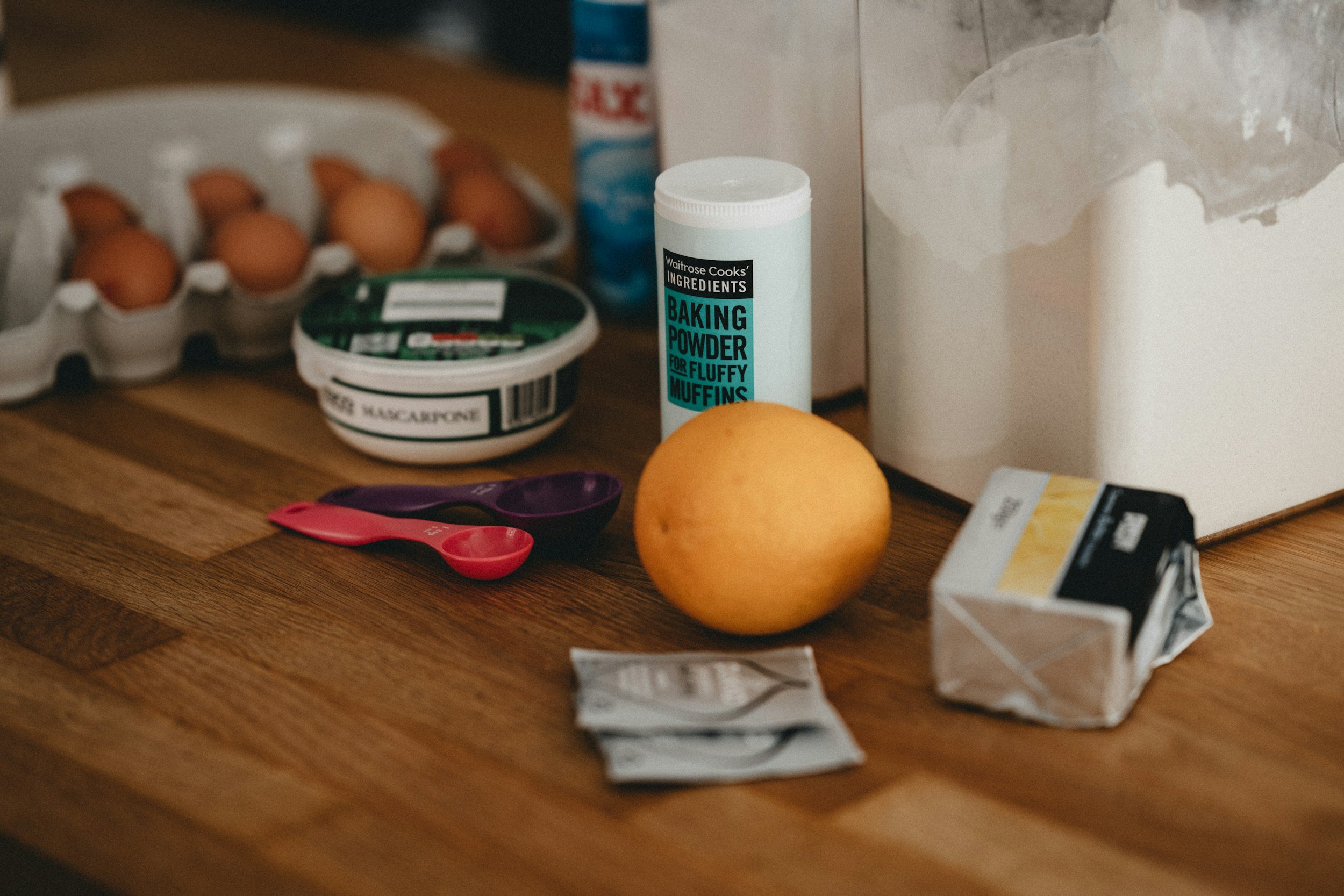
Imagine a cook tipping two cups of flour into a bowl and sending the recipe home with a visiting correspondent. At the foreign desk someone converts the two cups to about 480 milliliters, then replaces milliliters with grams. The resulting number looks wonderfully precise. In a cake made with all-purpose flour measured according to King Arthur Baking’s published convention, it would give the reader twice the intended flour. The trouble began when a measure of space quietly became a measure of mass.
Watch which measure the cook reaches for
Get the original recipe and watch a batch if possible. Is the cup a U.S. measuring cup, a cup marked in milliliters, or a favorite teacup? Ask whether a spoonful means a level measuring spoon or the spoon on the table. Record what happened when the directions and the demonstration differ. A cook who adds almost all the water and holds some back has given you a detail worth preserving.
Note an ingredient’s condition at the moment it is measured. Nuts chopped before filling the cup occupy it differently from intact nuts that will be chopped afterward. A measure of an ingredient drained of liquid is different from a measure taken straight from the container. Record the order in a short sentence while the action is in front of you. A comma inserted during translation can reverse it.
If a recipe grew out of family cooking with an unmarked cup, ask whether you may measure that vessel with water. Find the level the cook regards as full and use a graduated measure to determine its volume. Write that finding down as a measurement of this cook’s cup. Establish any flour weight separately. The appeal of the old teacup can remain in the story alongside instructions a reader can reproduce.
Choose volume or weight for each ingredient
For a practical U.S. kitchen conversion, the National Institute of Standards and Technology gives approximate equivalents of 240 milliliters for a cup, 15 milliliters for a tablespoon and 5 milliliters for a teaspoon. These are rounded cooking equivalents. For a recipe specifying half a U.S. cup of milk, about 120 milliliters preserves the kind of measurement the original uses.
Grams require more information. The King Arthur Baking chart assigns 120 grams to a cup of all-purpose flour and 96 grams to a cup of almond flour. Under those conventions two cups give 240 grams of the first flour or 192 grams of the second. Identify which ingredient the cook used, then obtain the recipe author’s intended weight or weigh the amount they actually measure. A baking company’s chart is a reference for its convention.
Keep the distinction visible if the team edits in two languages. An ounce by weight and a fluid ounce have different uses. In its household table NIST gives approximately 28 grams for an ounce by weight and approximately 30 milliliters for a U.S. fluid ounce. If the cook wrote just “oz” beside an ingredient, check the package, the utensil and the person who wrote the recipe before choosing a conversion.
Work through the oven line separately
Write down the original temperature and the letter on the dial. Fahrenheit and Celsius have different zero points as well as different intervals. To convert a Fahrenheit setting to Celsius, subtract 32 and multiply by five-ninths. A hypothetical cake baked at 350 degrees Fahrenheit therefore translates to about 176.7 degrees Celsius. If the recipe desk rounds oven settings to the nearest five Celsius degrees, it would publish approximately 175 degrees Celsius.
Ask whether the baker used a fan setting and whether the temperature came from the oven dial or a separate thermometer. Converting a number between scales preserves the temperature described. Switching to a different oven mode introduces a separate question about how the recipe behaves. If the cook supplied only a conventional oven setting, label it and ask the recipe editor about testing before supplying a second mode.
Check the pan and the stage at which the timer started. A recipe saying twenty minutes might assume batter went into a preheated oven in two shallow pans. One deep pan changes what the instruction describes. Obtain the internal dimensions the cook used and keep the observable signs of doneness the cook supplies for this cake. That preserves information a converted temperature and a timer cannot convey alone.
Give a second reader the complete recipe
Ask a colleague to read the ingredients alongside the method, starting with an empty mixing bowl. If the ingredient list says three tablespoons of liquid and the method adds one tablespoon twice, where does the last spoonful go? It might be reserved for brushing the top. Reconcile the original quantities before changing units. A translation can preserve an arithmetic mistake with perfect fidelity.
Watch fractions when scaling the batch. In the NIST kitchen convention, one and a half tablespoons is about 22.5 milliliters. If the measure is divided between two stages, calculate the total before rounding the portions. Ask what ordinary spoons or graduated marks a reader can use, and have the recipe desk check that any simplified instructions still add up to the quantity tested.
Keep the author’s original quantities in the reporting notes beside the conversions and their basis. Identify whether a gram value came from the cook, a weighing during the demonstration or a reference table. When there has been a test batch in the target units, record the ingredients, oven mode, pan and result. When there hasn’t, describe the recipe as converted and reserve any claim about testing for work someone actually did.
One last question takes you back to the beginning. If a reader arrives at the mixing bowl with the published amount of flour, does it resemble what the cook tipped in? A discrepancy worth stopping over now may save many readers from trying to repair a batter that was right the first time.
National Institute of Standards and Technology, Cooking Measurement Equivalencies
King Arthur Baking, Ingredient Weight Chart
National Institute of Standards and Technology, SI Units – Temperature
