
Following a Factory Announcement Into the Annual Report
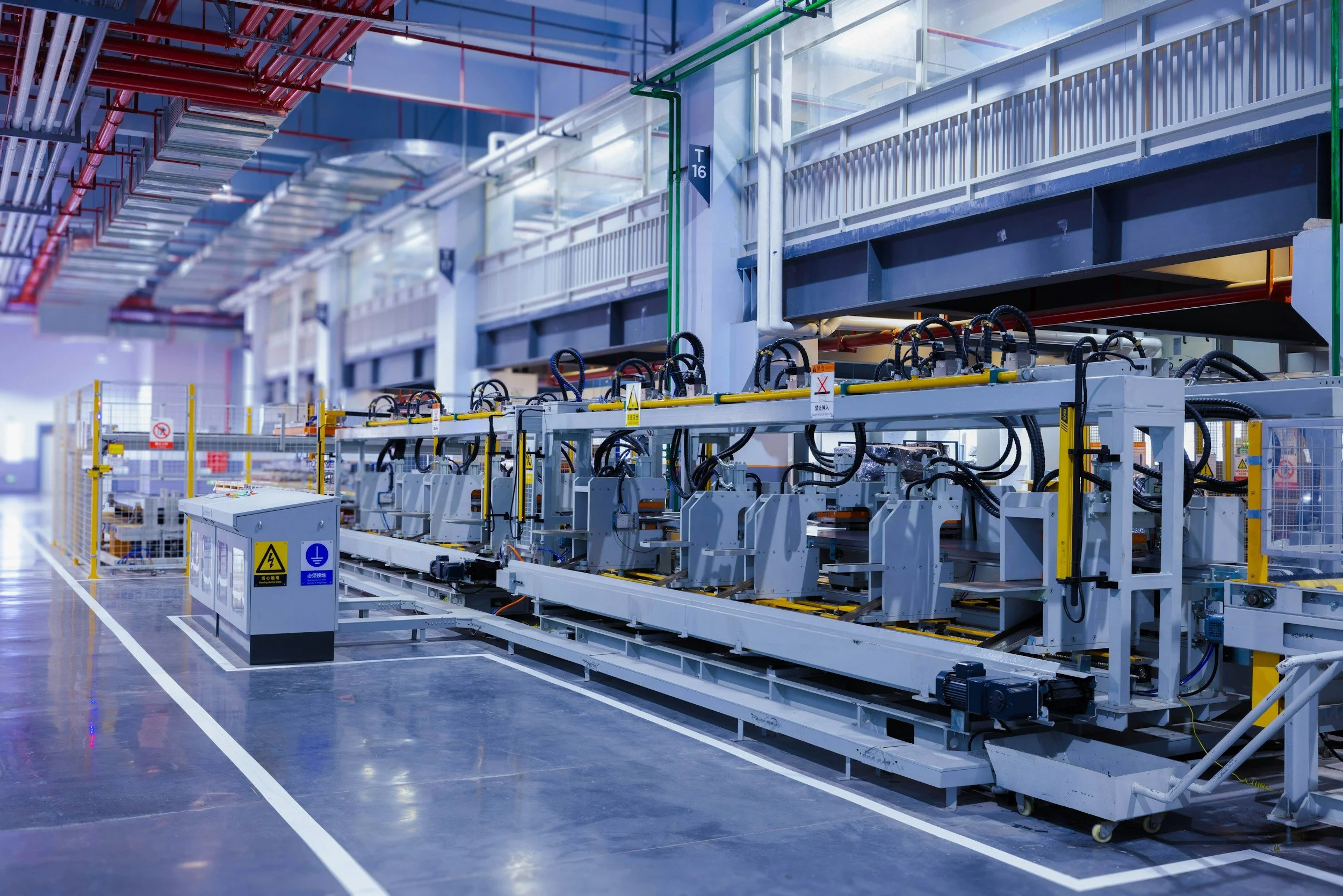
A company announces that it plans to open a plant employing hundreds of people. The home desk sees a story about investment moving from one country to another. Before booking a trip to the factory gate, establish what the company has actually committed to and where it has recorded that commitment.
The difference matters to more people than investors. A family deciding whether to move, a supplier deciding whether to buy equipment and a reader wondering whether a factory back home will close all face different questions. Reporting the most spectacular number in the announcement rarely answers any of them. Use the project as a way into the company’s documents, then take the unanswered questions back to the community.
Identify the company that made the promise
Look closely at the name on the press release. A local brand, its parent company and a development partnership may have similar names while doing different things. The organization that invites you to a groundbreaking may not be the one that owns the land or hires the workforce. Ask each participant for its role and compare the answer with the names in the filing. Readers abroad may recognize the brand on the product better than the entity carrying the costs.
For a U.S. public company that files a Form 10-K, begin with the business description and the reporting period. The properties section may help identify operating sites. Management’s discussion can put capital spending in context. Search for the town and the project, then read the whole paragraph around any match. The absence of a new announcement from an older annual filing tells you little by itself. Check the date on the announcement against the period the filing covers.
A document search works best with more than a town name. A plant may be known internally by its product line, the county or the name of an acquired business. Use a few of these terms, then read the pages around each match. Keep a copy of the version you used and the date it was filed. A press spokesperson can answer a precise question about a paragraph much more readily than a challenge based on a screenshot floating free of its document.
Put the verbs in chronological order
Sort the evidence by milestone. A company may have selected a site, acquired land or ordered machinery. A recruitment advertisement establishes that someone is hiring for a role. It does not establish how many people already work there. Ask the company which jobs are permanent, who employs construction workers and when production is expected to begin.
For a practical exercise, underline every verb in a hypothetical announcement: the board has authorized design work, the company expects to start construction and the plant could eventually employ 500 people. Only the first clause describes something the announcement says has already happened. Ask what design work was authorized, how far the money goes and which later decisions require another vote. Use the firmest supported verb when writing the headline and reserve expectations for the part of the story that explains them.
Dates deserve the same care as verbs. The start of construction, the first test run, the first sale and full production can be years apart. Find out which event a company means by “opening.” A ceremony photographed today might mark the start of earthworks while the date cited in a presentation refers to commercial shipments. Sending both dates to the picture editor can prevent a caption from describing an operating plant where there is still an empty field.
Follow one expenditure from group accounts to the site
A group-wide capital expenditure figure can be impressive without telling a reporter what was spent in one town. A company could be buying equipment for three existing sites while preparing a fourth. Ask whether the figure covers all facilities, whether it refers to money spent or future investment, and whether it includes land, buildings or machinery. Where the company declines to give a site breakdown, say how far the available accounts can take you.
A supplier can sometimes narrow the picture. Suppose a machine shop confirms an order for a custom frame. What did it receive: a request for a quote, a purchase order or a delivery instruction? Ask whether the item is for a new line or a replacement at an existing one. Seek permission to describe the evidence without disclosing commercially sensitive details. An order can be a useful milestone even when the amount remains confidential.
Count jobs in terms employees would recognize
A construction team that stays on site for six months and a maintenance team that stays after opening both do real work. Combining their numbers without an explanation can produce a misleading impression of lasting employment. Ask for the peak number on site during construction, the number of production posts expected at opening and the number anticipated at full capacity. Record whether a figure counts people, positions or full-time equivalents.
Find out how many positions are transfers. A new building may absorb an existing team from another facility. That is a significant change for workers traveling to a new location, even if it produces fewer additional jobs than the new site’s head count suggests. Ask an employment office or training provider what it has actually been asked to do. A funded class with a start date is different evidence from a general expression of interest in future training.
Check the story at the other end of the supply chain
International coverage often leaps from a local gain to an assumed loss abroad. A company adding capacity in one country might be introducing a new product, serving a new customer, meeting higher demand or replacing another line. Ask what will be made, which market it serves and what the company has announced about its other sites. If a closure abroad is the story, find the filing or communication that identifies the site and the timetable.
A useful closing detail often comes from the town: which permit has been issued, which road is being improved, or when the first shift starts. Name the source and date of that detail. Readers can then judge how far the project has moved beyond the announcement.
Finish the assignment by leaving a timeline with the desk. For every milestone include its source, the company’s wording and the date on which it can next be checked. If construction has begun, ask what observation will show that equipment is going in. If hiring has started, ask whether workers are training at another plant. Those questions keep later coverage anchored in activity the people using the plant can recognize.
A good factory story can end before the first product leaves the gate. Readers can understand that land was acquired, a site manager was named and production remains conditional on a particular decision. What makes that account valuable is the precision with which it describes the present. When the first shipment finally departs, the correspondent will know which promise was fulfilled, how long it took and whom to ask about the next one.
U.S. Securities and Exchange Commission guide to reading a 10-K
