
Extreme Weather and Infrastructure Stress in the United States
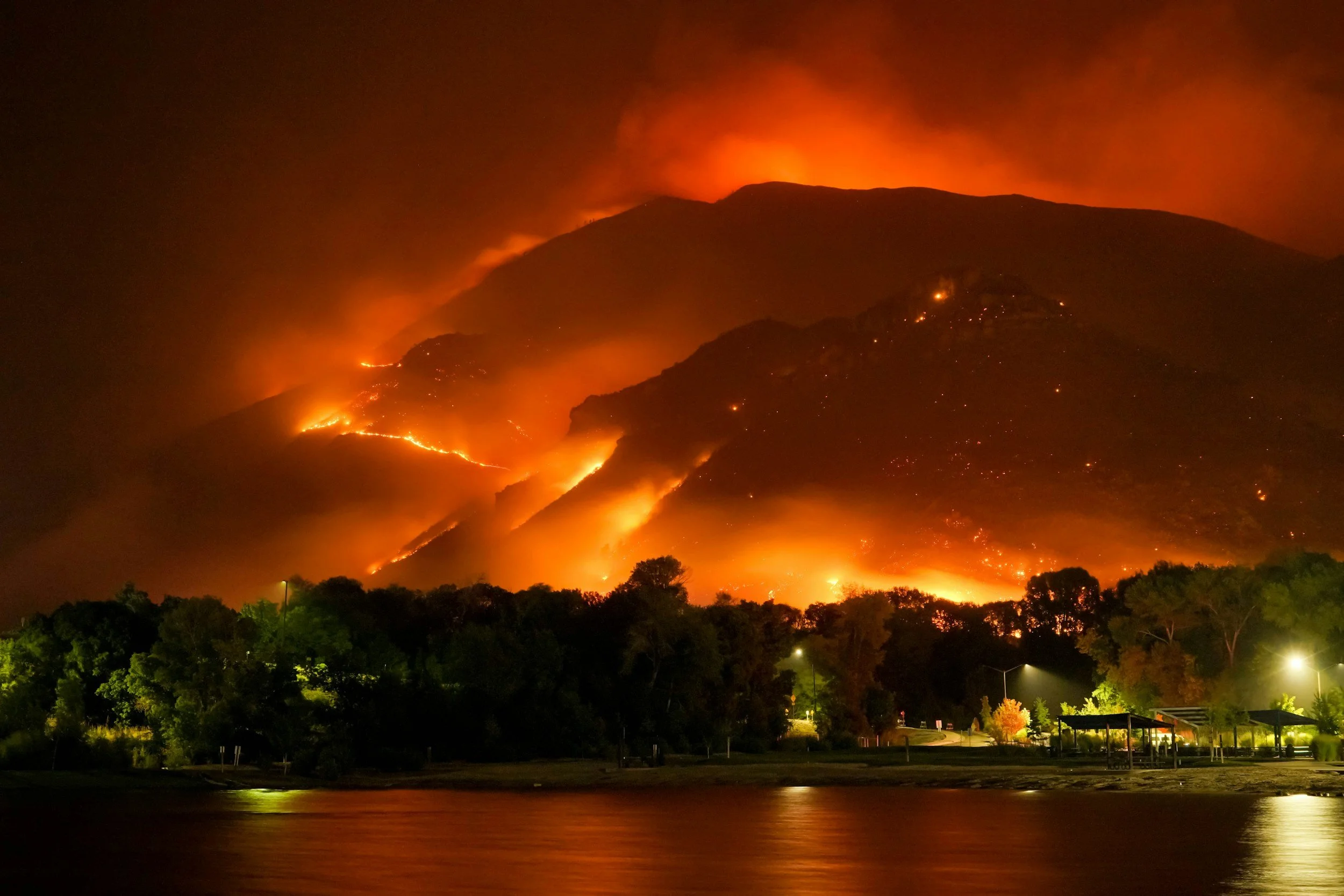
Extreme weather in the United States is no longer episodic; it is structural. What were once described as “once-in-a-generation” events now occur with such regularity that they are reshaping how cities, states, businesses, and households plan for the future. Heat waves, floods, wildfires, hurricanes, and severe storms are no longer isolated disasters but recurring stress tests for infrastructure systems designed for a different climate reality.
One of the most visible pressure points is the electrical grid. Prolonged heat waves drive record demand for air conditioning, pushing aging power systems beyond their intended capacity. Rolling blackouts, emergency conservation requests, and grid failures are no longer rare occurrences. For foreign correspondents, the story is not only when power goes out, but why systems struggle to cope and how utilities prioritize restoration. Questions of investment, maintenance, and regional inequality often surface during these moments.
Water infrastructure faces a different but equally serious challenge. Flooding overwhelms wastewater systems, leading to contamination of drinking water supplies. At the same time, drought conditions strain reservoirs and groundwater sources, forcing municipalities to impose usage restrictions or invest in costly emergency measures. Aging pipes, many of them decades old, are increasingly vulnerable to both extremes. Reporting that connects water quality issues to infrastructure age, funding gaps, and public health consequences offers deeper insight than disaster coverage alone.
Transportation networks are also under growing stress. Extreme heat causes asphalt to soften, rail lines to warp, and bridges to expand beyond tolerances. Flooding washes out roads and undermines rail beds, disrupting supply chains and commuter routes. These failures often reveal how dependent daily economic activity is on systems that receive little attention until they fail. Foreign correspondents can add value by examining how transportation disruptions affect commerce, labor mobility, and emergency response.
Infrastructure resilience raises unavoidable questions about responsibility and equity. Who maintains these systems, and who pays for upgrades? In the United States, infrastructure ownership is fragmented across federal, state, local, and private entities. This fragmentation complicates accountability and slows adaptation. Wealthier communities often have greater capacity to reinforce systems, while lower-income or rural areas may face prolonged outages and slower recovery. Identifying these disparities helps international audiences understand why impacts vary so widely within the same country.
Insurance markets provide another important signal of structural change. Rising premiums, shrinking coverage, and outright withdrawal from high-risk areas reveal how private actors reassess climate exposure. When insurers retreat, the burden shifts to homeowners, renters, and local governments, often through higher taxes, emergency aid requests, or rebuilding delays. These shifts can alter housing markets, migration patterns, and long-term economic viability in affected regions.
Foreign correspondents should also pay attention to how institutions adapt quietly over time. Building codes evolve, zoning rules change, and emergency planning becomes more routine. These adjustments rarely make headlines, but they shape resilience more than any single storm. Tracking these incremental changes offers a more accurate picture of how the United States is responding to sustained environmental stress.
Climate-related reporting becomes most valuable when it moves beyond imagery of destruction and focuses on consequences that persist long after the event. Economic disruption, infrastructure repair backlogs, insurance disputes, and population displacement are all part of the story. By grounding coverage in observable impacts rather than political debate, foreign correspondents can explain how extreme weather is reshaping daily life in America without reducing the issue to ideology.
In this sense, extreme weather is no longer a separate beat. It is an underlying condition that influences energy, housing, transportation, public health, and economic stability. Recognizing that shift allows journalists to cover climate impacts with clarity, precision, and lasting relevance for international audiences.