
Covering American Institutions
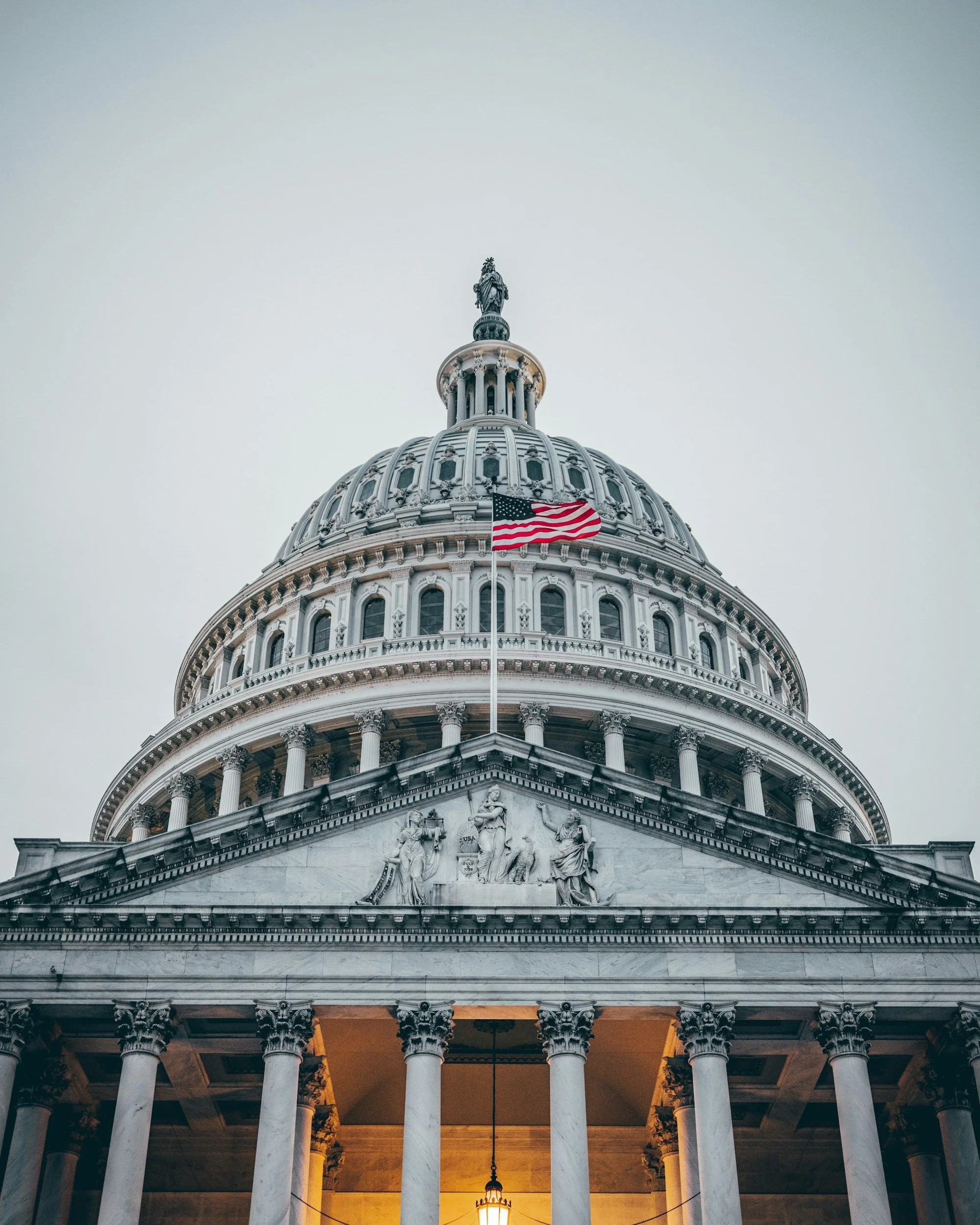
American institutions play a central role in shaping news coverage, yet they operate according to distinct rules, hierarchies, and communication cultures. For international correspondents, understanding how these institutions engage with the press is essential for effective and accurate reporting.
Federal agencies typically communicate through structured public affairs offices. Press releases, scheduled briefings, and written statements are the primary modes of engagement. While some agencies offer regular access, others respond selectively based on topic sensitivity, relevance, and resource constraints. Developing familiarity with agency mandates and terminology improves the quality of interactions.
Courts represent a unique reporting environment. Judges and court staff rarely comment on pending cases, and access is governed by procedural rules. Journalists rely on filings, hearings, and publicly available records. Accuracy is paramount, as legal reporting requires precise language and contextual understanding.
Universities combine public missions with reputational concerns. Their press offices often promote research, events, and institutional achievements. However, universities may be cautious when responding to inquiries involving controversy or litigation. Correspondents covering higher education benefit from understanding governance structures, funding models, and academic norms.
Nonprofit organizations vary widely in scope and influence. Some function primarily as service providers, while others focus on research or advocacy. Their communications often reflect mission-driven priorities. Journalists should distinguish between factual reporting, interpretive analysis, and advocacy messaging.
Across all institutions, response times can vary. Silence does not necessarily indicate avoidance; it may reflect internal review processes. Clear, concise inquiries and realistic deadlines improve the likelihood of meaningful responses.
Covering American institutions effectively requires patience, preparation, and respect for procedural norms. Correspondents who understand institutional incentives and constraints are better positioned to extract information and provide balanced coverage.