
A Closed Elevator Is Not a Closed Railway Line
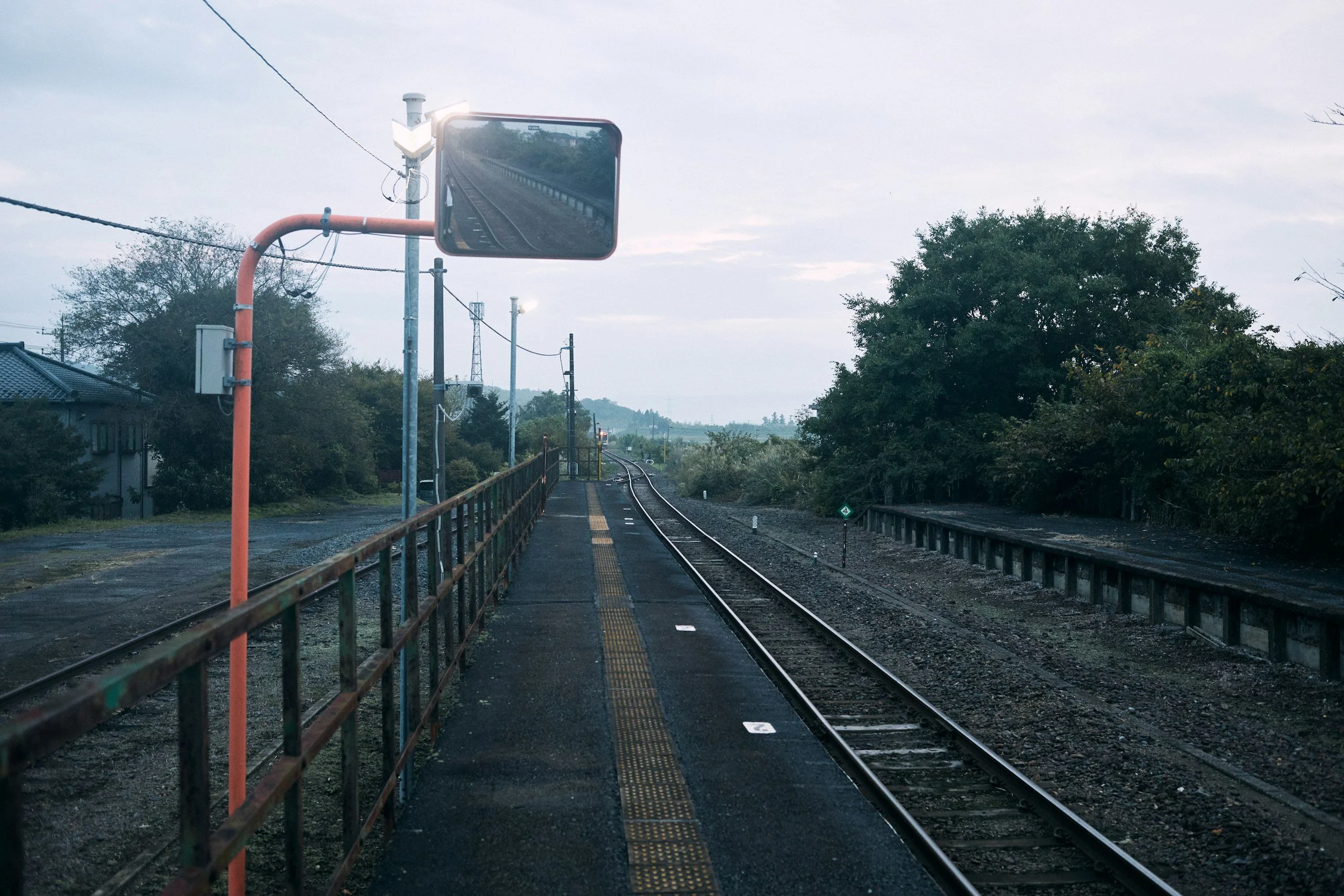
A rail line carries an alert symbol on a journey planner. A hurried correspondent tells an overseas desk that the line has closed. The actual notice concerns one elevator at one station. In this hypothetical mistake, a small icon has expanded into a network disruption. Reading the complete notice is the first step toward describing what passengers can and cannot do.
Identify the object of the alert
Begin with the named route, station, platform, entrance or facility. Write that object at the top of your notes. A route can continue operating while a station entrance is closed; trains can pass through a station without stopping; an elevator outage can remove an accessible path while other passengers continue using stairs. These are distinct descriptions requiring distinct evidence.
Transit data standards reflect this need for specificity. The General Transit Feed Specification's realtime reference identifies the entities to which an alert applies. MBTA's own documentation additionally describes facility identifiers for items such as elevators, escalators and parking areas. These structures help explain why a general alert icon is not a sufficient description of the underlying problem.
You do not need to read a data feed to report a station notice. The practical equivalent is to ask which facility, which direction and which passenger activity are affected. Record the complete wording before condensing it. If the notice is ambiguous, contact the operator with a precise question instead of translating the broadest possible interpretation.
Put the disruption on a small map
Mark the affected location and the next usable alternatives on a map for your own understanding. Check whether a station has separate entrances for opposite directions, several platforms or a transfer passage. Similar station names can also refer to different services. Use the operator's station name and route designation consistently in the notes sent to your desk.
Imagine a notice that northbound trains will not stop at a particular station during a weekend. The map should show the northbound skipping pattern, not an entire line crossed out. Before writing a suggested alternative, verify whether a passenger can travel beyond the station and return in the other direction under the operator's stated arrangements.
Keep accessibility information separate from the general itinerary. A route involving stairs may be unsuitable for someone who needs an elevator. Report the operator's stated accessible alternative, with its date and limitations, rather than improvising one from a map. If no verified alternative is available, describe the missing information accurately and seek clarification.
Read the dates as operational information
An alert can be published before work begins, remain visible while work is underway, and be updated after the expected finishing time. Save the time you accessed it and the period the notice says is affected. These timestamps answer different questions: when the information appeared and when the passenger's journey changes.
Look for weekday restrictions, overnight windows and exceptions. A notice lasting several weeks may apply only after a certain evening hour or only on particular dates. Do not turn a recurring overnight closure into a continuous monthlong shutdown. Write out a sample affected journey and an unaffected journey to check that you have interpreted the schedule correctly.
If a finishing time is described as estimated, preserve that uncertainty. MBTA's documentation explicitly distinguishes known, unknown and estimated durations in its alert system. Another operator may use different language. Attribute the expected restoration time to the notice and check again before publication, especially when the article will reach readers in another time zone.
Distinguish a plan from a live change
Scheduled maintenance and an unexpected disruption may appear in the same alert list. Identify which kind you are reporting. A planned diversion explains how service is intended to operate during a stated window; a live notice describes a developing condition. Neither should be treated as a guarantee that every individual vehicle follows the displayed prediction.
Read the headline and full description together. An abbreviated headline may omit the direction, affected stations or replacement service. Where several alerts overlap, make a separate note for each rather than combining them into one untraceable summary. A station elevator outage and a route diversion might both affect a journey through the same place.
For a continuing story, preserve a dated copy of the notice or a screenshot with enough context to identify it. Keep the update history you actually observed. Do not infer that a condition began when you first noticed the alert, or that a deleted notice proves the underlying repair was completed at that exact moment.
Verify what passengers encounter
At the station, compare the online notice with signs, announcements and staff guidance. Record differences as differences needing explanation. A sign might refer to a future phase of work, while the website describes the current phase. Ask staff which instruction applies to the particular journey you are documenting, and note the time of the answer.
Describe direct observations narrowly. Seeing one train pass through without stopping establishes what that train did at that moment. It does not by itself establish the full service pattern. Combine observation with the operator's current information, and give the operator an opportunity to clarify contradictions before presenting a conclusion about the entire line.
Make the translated sentence usable
For an international audience, introduce the local transit terminology in ordinary language. Explain whether a shuttle means a replacement bus in this instance, and name its endpoints if verified. Avoid assuming that a familiar word from the home country's rail system refers to the same arrangement in the American city you are covering.
End your editing check with a passenger's practical question: can I use this station, in this direction, at this time, by this accessible route? Your story may not be a travel advisory, but answering those elements prevents a distorted account of the disruption. A carefully bounded sentence about one elevator can be more informative than a dramatic, inaccurate claim about an entire railway.
General Transit Feed Specification, realtime reference
Massachusetts Bay Transportation Authority, GTFS realtime documentation
